Sykehouse Cottage

A beautiful C17th Holiday Cottage in the Lake District


Wainwright’s Fourth Volume: “Heaven fallen upon the earth”

IMG_8252In the Personal Notes at the end of his Fourth Volume on the Southern Fells, Wainwright noted that “there had been a clamour for Book Four ever since the first in the series appeared” because these fells “just happen to be a bit of heaven fallen upon the earth.”

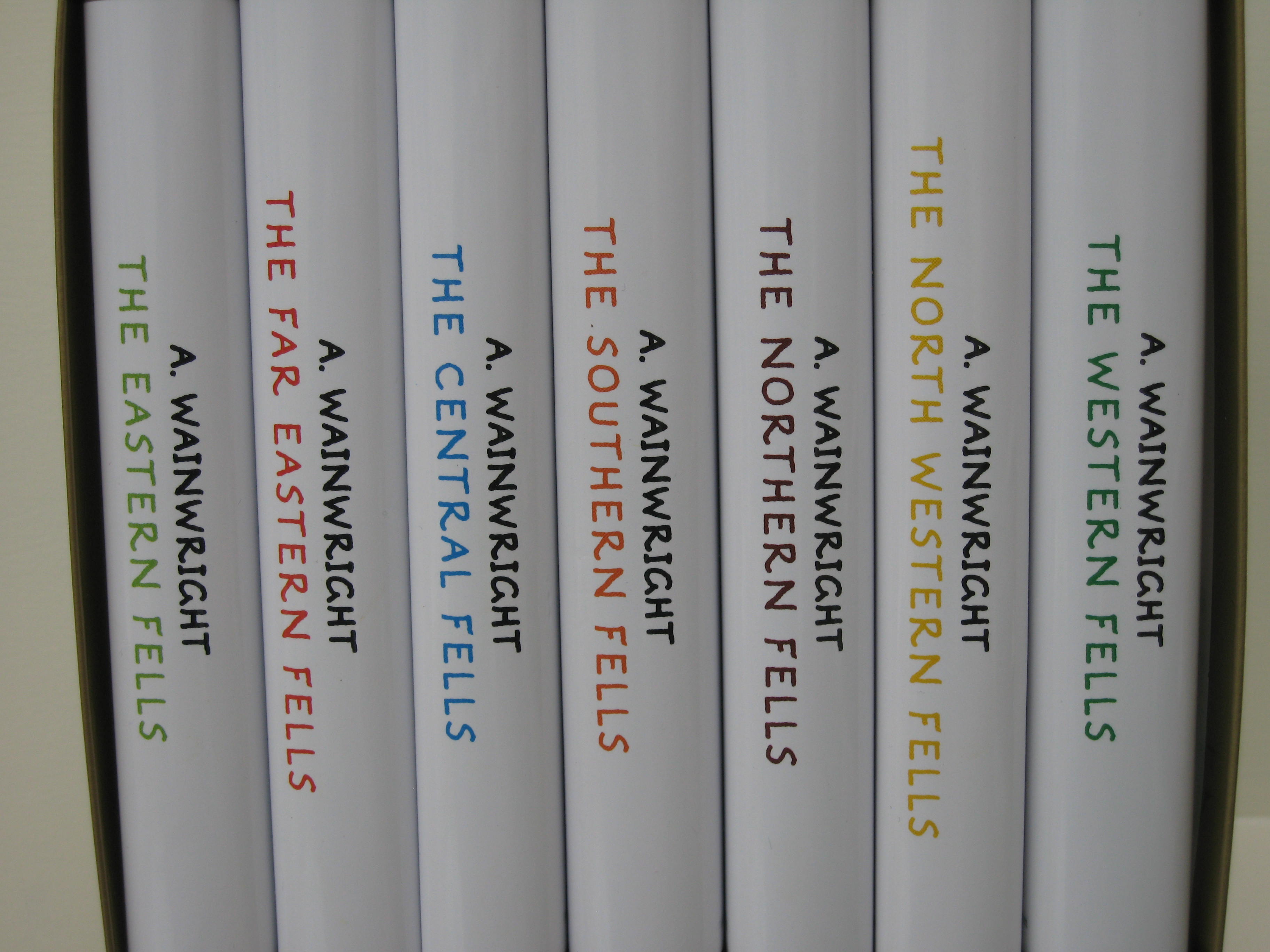
This orange striped volume is the one we use the most and it is dedicated to: “the hardiest of all fell walkers, The Sheep of Lakeland, the truest lovers of the mountains, their natural homes and providers of their food and shelter” … and, sheep like, the chapters scramble up and down the thirty fells of the Southern Lakes from Scafell Pike to Holme Fell.  He includes the direct route to Coniston Old Man: “this is the way the crowds go”; plus the one via Boo Tarn: “a climb for … the discerning walker” and one ascent from Torver with its view of Dow Crag, “one of the grandest rock-faces in the district”.

We hope you enjoy planning your walks!

For further information about Alfred Wainwright, please follow this link to the Wainwright Society.
Wainwright’s Pictorial Guides: fireside companions.

WainwrightIn Sykehouse Cottage there is a complete set of the 50th anniversary edition of Wainwright’s Pictorial Guides to the Lakeland Fells. These seven little hardback books contain the most magical evocation of fell walking I have ever encountered. Each of the seven volumes is dedicated to a different group of people or animal: map makers, dogs, solitary wanderers and each book has a personal note at the end. And this warm and idiomatic approach to the fells is continued throughout the books which are hand drawn – and handwritten (!) – guides to walking the fells.
The walks are catalogued with a wonderful combination of description and maps, complete with contour lines, tussocks of grass and little trees and personal observation. Poring over these little black and white drawings and humorous asides draws you from your armchair into the vast green fells of your imagination and makes you want to jump into this Lilliputian world of Wainwright and bestride the fells like Gulliver. As Wainwright himself puts it: “this book has been written, carefully and with infinite patience, for my own pleasure and because it has seemed to bring the hills to my own fireside.”
We hope you enjoy planning your walks!
For further information about Alfred Wainwright, please follow this link to the Wainwright Society.

Hardknott Fort

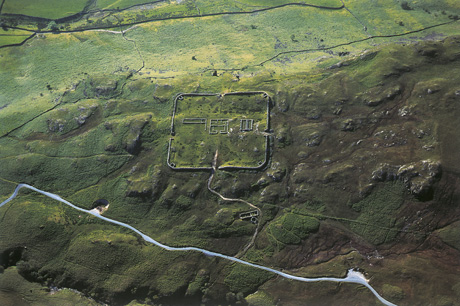
Hardknott Roman FortHardknott Fort, at the western end of Hardknott Pass, is one of the most remote and dramatically sited Roman forts in Britain and is well worth the 30 minute drive from Sykehouse Cottage for a look around and to marvel at the sheer tenacity of the Romans. Though I must point out that the road up to it is single track and that reversing skills may be needed if you meet another car!

The stronghold was built early 2AD and an inscription says that the garrison was the 4th Cohort of Dalmatians, all the way from the Balkans.  It was abandoned in the 3rd century and the stone was pilfered over a long period.  However there is still enough to see the outlines of central buildings: the headquarters, a small temple and the commander’s residence.  Also the remains of a bath house alongside the road leading up to the fort.  We find it incredibly atmospheric and, as one of the tribe is a budding gladiator, it’s a perfect place to sit and imagine life 2000 years ago and perhaps  … for a leisurely picnic!

It is an English Heritage site and further details can be found following this link.


Tarn Hows

Tarn HowsTarn Hows is another favourite walk of ours – particularly when we have friends with pushchairs or just want to “walk and talk” instead of concentrating on finding the next sheep track, as it’s a stunningly pretty round walk on smooth paths with plenty of benches along the way.  The place is owned by the National Trust, has a well managed car park – and possibly an ice cream van in high season.  They even have a couple of those nifty Tramper scooters giving people who are less mobile a chance to roam a little.  So, if you are staying at Sykehouse Cottage and fancy a stroll rather than a hike, Tarn Hows is the place for you.  It’s only 25 minutes from Broughton in Furness, past Coniston Water.

For all its natural beauty, the tarn is artificial.  It was created in the mid C19th by the owner out of three much smaller, boggier pools.  He also landscaped the area, building the footpaths and planting the magnificent, non-native trees such as the Giant Sequoia which give the place a rather Scottish feel.  Tarn Hows was designated a Site of Special Scientific Interest in 1965 with red squirrels, Herdwick sheep, both red and roe deer and Daubenton’s (or water) bats living in the area.

Tarn Hows is open dawn to dusk all year round.  Further details can be found on the National Trust website here.


Wallowbarrow Round Walk

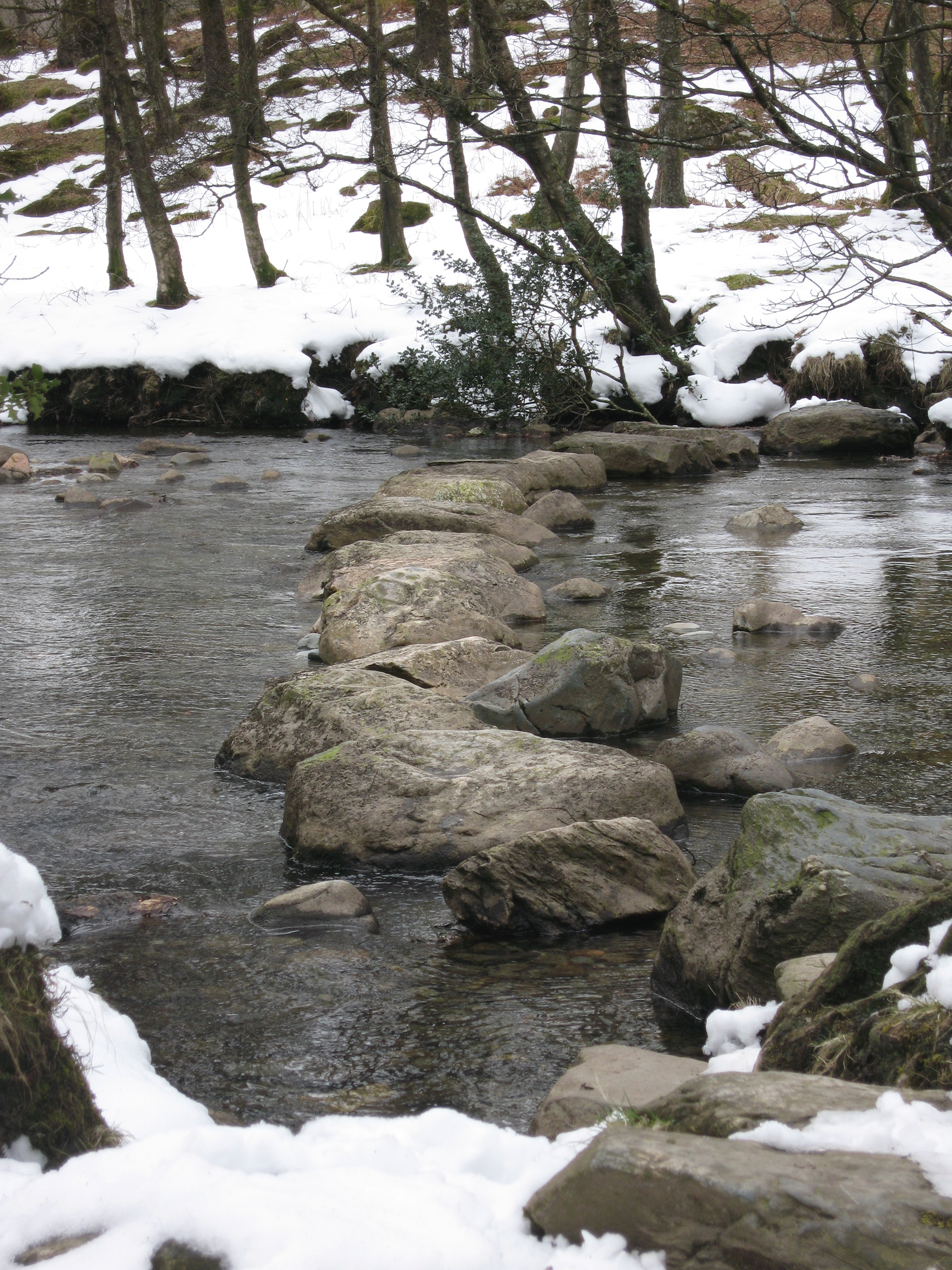
Stepping Stones across the DuddonAt Easter, we tramped through the snow around Wallowbarrow.  This is one of our very favourite walks: a beautiful, quiet river and woodland walk along the Duddon in National Trust land.   It can be as long or as short as you want and has the added bonus of starting/ending at the wonderful Newfield Inn.

In the Summer, we often picnic on a river beach and sometimes even take a dip at Watersmeet where the Tarn Beck meets the river Duddon.  But today we were just grateful that someone had been around before us to tamp down the snow – which in places was higher than our wellies!Memorial Bridge

CawWe wandered about for an hour and finished with lunch at the Newfield.  Run by Paul, this c17th inn at Seathwaite has great, hearty food for walkers, a log fire and a fine selection of local beer.  This lunchtime we ate their famous steak pie and Cumberland sausage and sampled Barngates’ Catnap and Cumberland’s Corby Ale.  Click here for their website.


The Duddon Mosses

© Natural England copyright 2013

Rather than going up, how about going along for a change?  Sometimes the South Lakes is so dominated by the Fells, we forget about the Estuary and looking out to sea.  The Duddon Mosses is a lowland raised peatbog just south of Broughton in Furness near the village of Foxfield.  It is one of the most important example of this type of peatbog in Britain.  Accessed via a series of boardwalks and clearly signposted, a stroll across the Mosses is a lovely contrast to climbing up and then scrambling down. (Again.)

There are information panels in Broughton Square and at Foxfield Station giving detail about the Mosses and describing a circular walk.

Here are bog plants such as Sphagnum moss, cotton grasses, bog rosemary, cranberry and the spookily carnivorous sundew.   In late spring and early summer, the fluffy heads of cotton grasses and yellow bog asphodel provide a delightful show.  There are plenty of insects and you may spot butterflies and moths as well as crickets, damselflies and dragonflies.  The Mosses are a haven for deer, adders, lizards and frogs.  Barn owls hunt over the Mosses at dusk and the temporary pools created as a result of restoration works are frequented by water birds such as teal and heron.

Steve Benn, the local Natural England officer, would like me to remind people to keep all dogs on a short lead between 1st March and 31st July when walking on the Duddon Mosses to protect the ground nesting birds during the breeding season.

And, of course, after all that fresh air, you could always stop by at the Prince of Wales in Foxfield, renowned for its selection of real ale, on your way home …

For a more detailed walking guide and map follow this link to the Natural England website.

Copper Mines Walk at Coniston

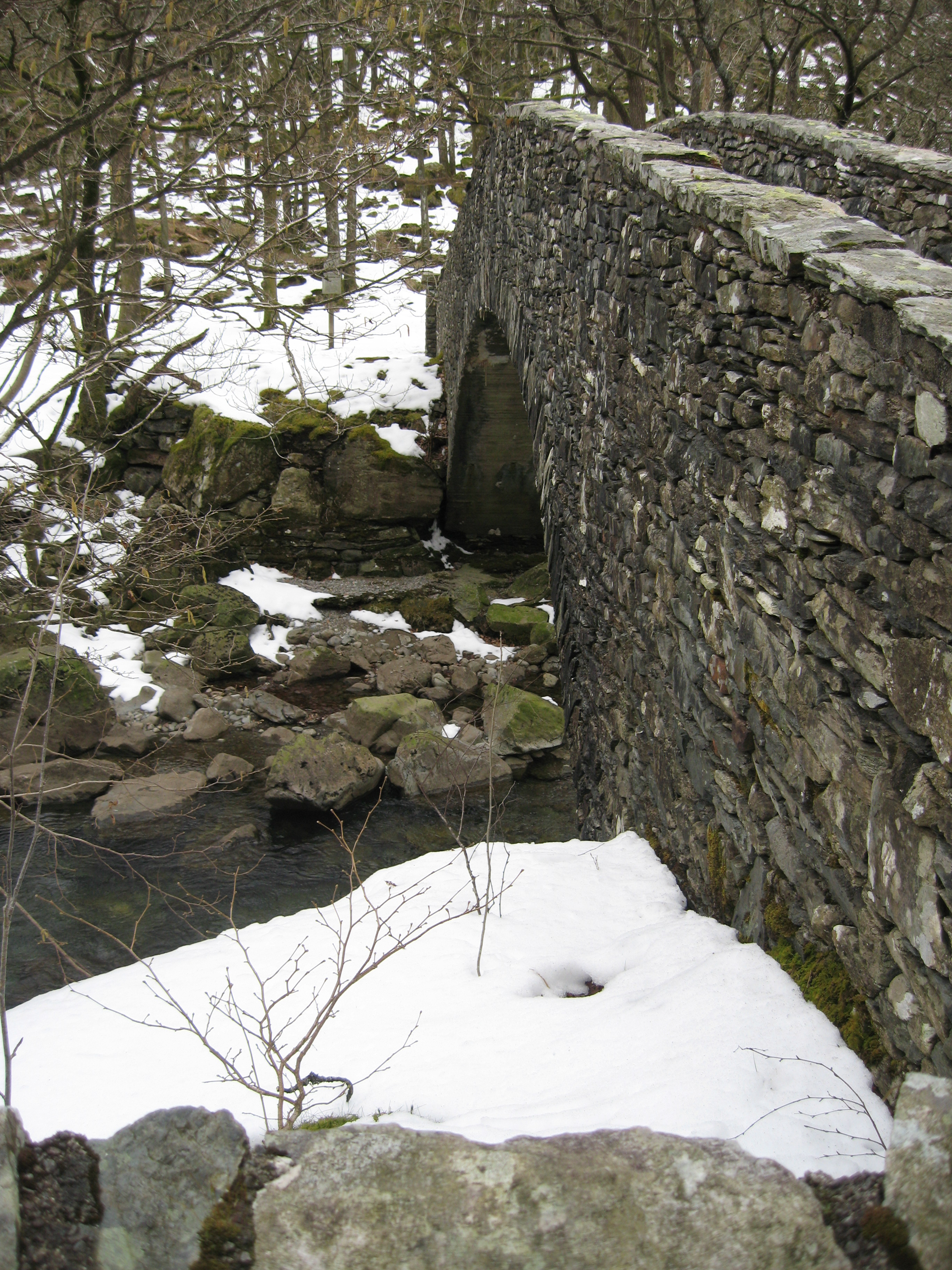
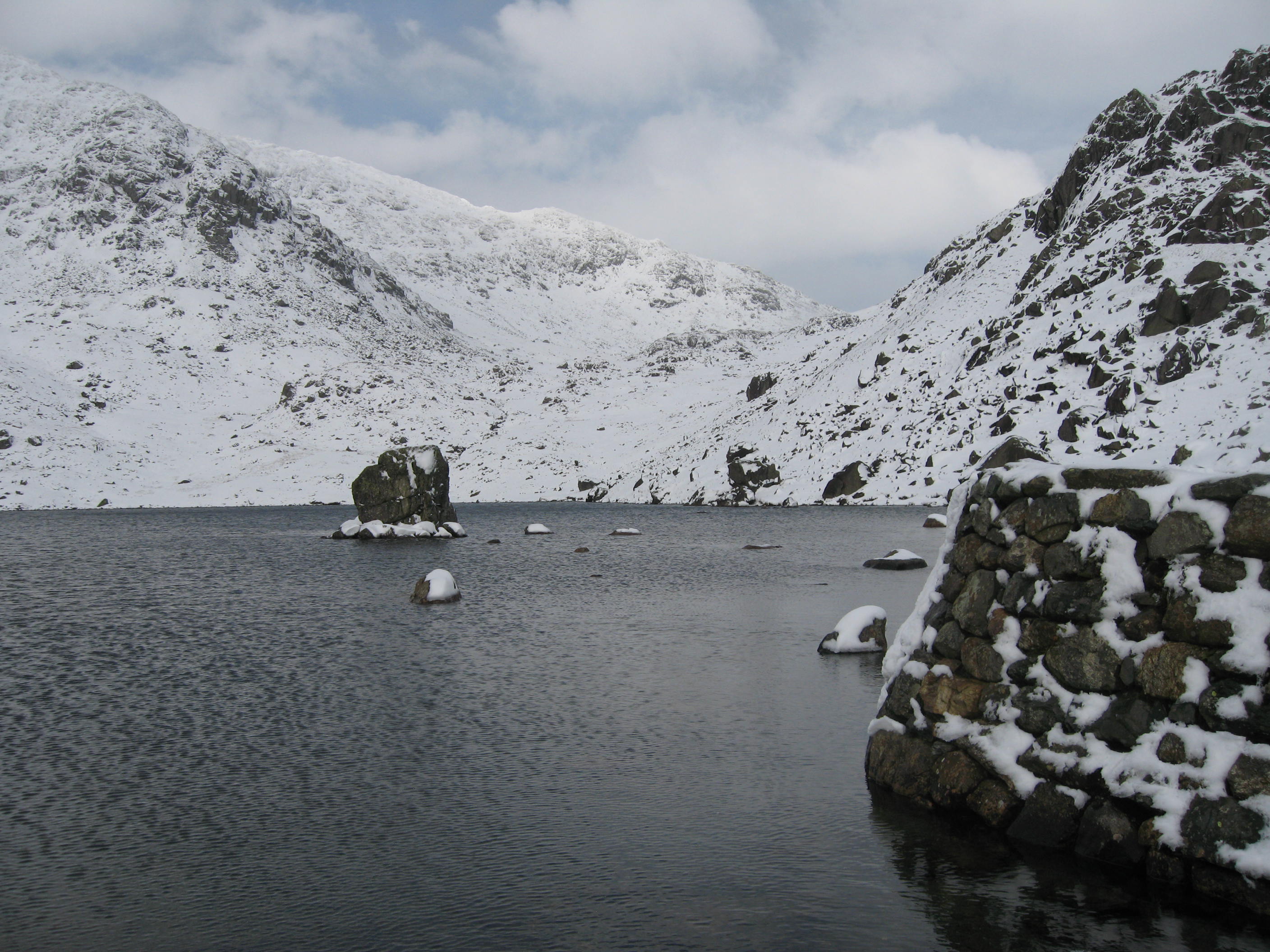
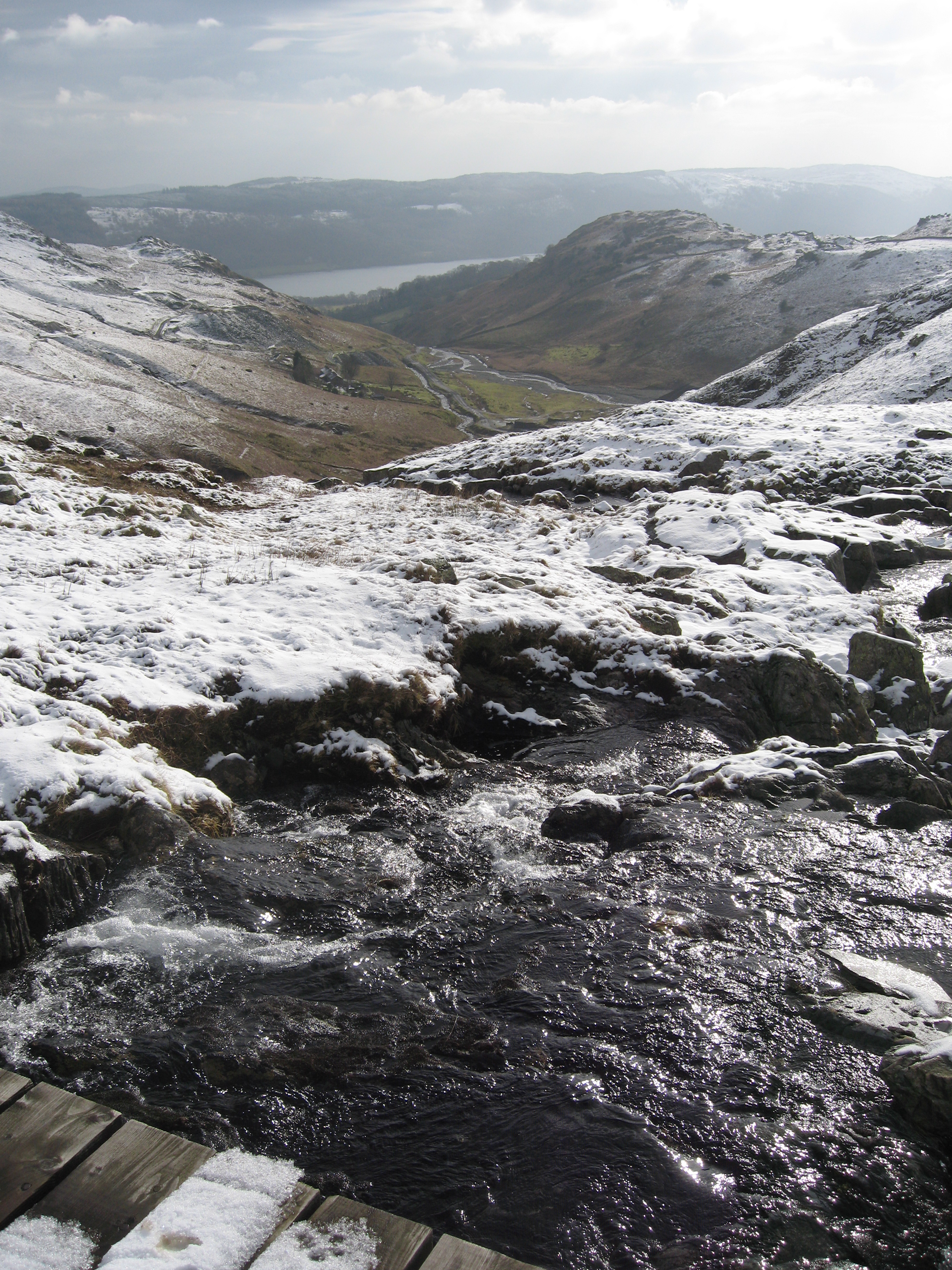
Miners BridgeIn February half term we took advantage of a bright, cold day to walk up Copper Mines Valley through the snow line to Levers Water behind Coniston.  As the valley has been worked for centuries, it’s an easy walk up well defined roads, including this beautiful Miners Bridge (left).  Past Irish Row and the Mine Captain’s House to the remains of the wheel house at Red Dell (right, slate tower on the right of the beck) Copper Mine Valley and Red Dellwhere we stopped for Kendal Mint cake and to make a scary snow man.  Red Dell SnowmanThen more of a sheep track through the snow up to Levers Water (right).Levers Water

Then back down again with a lovely view of Coniston Water at the end of the valley. Coniston from Copper MineWe stopped for chips at the very welcoming Sun Inn – barman provided free bread and butter when we mentioned chip butties!  The “One in the Waistcoat” had a pint of Bluebird (Coniston Brewing Co.) whilst I had half a Loweswater Gold (Cumbrian Legendary Ales).

The walk took 2 hours including stops with 3 children and a dog.  Remember to take a map!

This gallery contains 6 photos


Ulverston’s WalkFest 2013

Eric Robson and Alfred Wainwright, photographed by Richard Else

Eric Robson (left) and Alfred Wainwright (right), photographed by Richard Else

Why not stay at Sykehouse Cottage and enjoy Ulverston’s WalkFest 2013?

This is a lovely ten day festival of walks and evening events that celebrate the cultural and historical aspects of Ulverston.  This year’s festival take place between Saturday April 27th until Monday May 6th 2013.  Walks include “In the Footsteps of the Quakers”, “Walks for Wheels”, nature walks, and map reading skill practice.

A highlight of WalkFest will be Wainwright Redefined, a talk by Eric Robson, Chair of Radio 4’s Gardeners Question Time.  The writer and broadcaster who is also the chairman of the Wainwright Society, hopes to dispel some myths about Alfred Wainwright, the creator of the famous “Pictorial Guides to the Lakeland Fells”.

 This will take place at the Coronation Hall Supper Room in Ulverston, on Saturday 27th April at 7.30pm.  Tickets are available from the Coronation Hall box office.