Sykehouse Cottage

A beautiful C17th Holiday Cottage in the Lake District


Grizedale Forest Sculpture Trail

The immense satisfaction of finding something unexpected, yet wholly delightful, amongst trees has to be hot wired into the most grizedale woodsmanprimitive part of our brains.

Rambling around Grizedale Forest looking for sculpture is one of our favourite days out.  The tribe can run about to their heart’s content (waving sticks, climbing over logs and jumping out shouting BOO!), whilst I stand still and contemplate art, and it’s only half an hour’s drive from the cottage in Broughton-in-Furness.

Grizedale has the largest outdoor collection of site-specific art in the UK.  Created over 30 years, it holds about 50 permanent pieces but nobody’s quite sure how many as some, inevitably, have rotted away.  Last month, two new sculptures were added to the collection.  “Concrete Country” by Lucy Tomlins is an out-sized concrete country stile and “Romeo” by Owen Bullet & Rupert Ackroyd is a carved oak totem.  This was inspired by the story of Romeo, an urban fox who explored the Shard tower in London.

Grizedale Forest also hosts temporary exhibitions and events, please check out their website to find out what’s on.

The Duddon Mosses

© Natural England copyright 2013

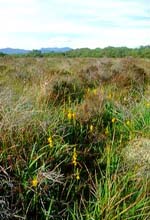
Rather than going up, how about going along for a change?  Sometimes the South Lakes is so dominated by the Fells, we forget about the Estuary and looking out to sea.  The Duddon Mosses is a lowland raised peatbog just south of Broughton in Furness near the village of Foxfield.  It is one of the most important example of this type of peatbog in Britain.  Accessed via a series of boardwalks and clearly signposted, a stroll across the Mosses is a lovely contrast to climbing up and then scrambling down. (Again.)

There are information panels in Broughton Square and at Foxfield Station giving detail about the Mosses and describing a circular walk.

Here are bog plants such as Sphagnum moss, cotton grasses, bog rosemary, cranberry and the spookily carnivorous sundew.   In late spring and early summer, the fluffy heads of cotton grasses and yellow bog asphodel provide a delightful show.  There are plenty of insects and you may spot butterflies and moths as well as crickets, damselflies and dragonflies.  The Mosses are a haven for deer, adders, lizards and frogs.  Barn owls hunt over the Mosses at dusk and the temporary pools created as a result of restoration works are frequented by water birds such as teal and heron.

Steve Benn, the local Natural England officer, would like me to remind people to keep all dogs on a short lead between 1st March and 31st July when walking on the Duddon Mosses to protect the ground nesting birds during the breeding season.

And, of course, after all that fresh air, you could always stop by at the Prince of Wales in Foxfield, renowned for its selection of real ale, on your way home …

For a more detailed walking guide and map follow this link to the Natural England website.

Copper Mines Walk at Coniston

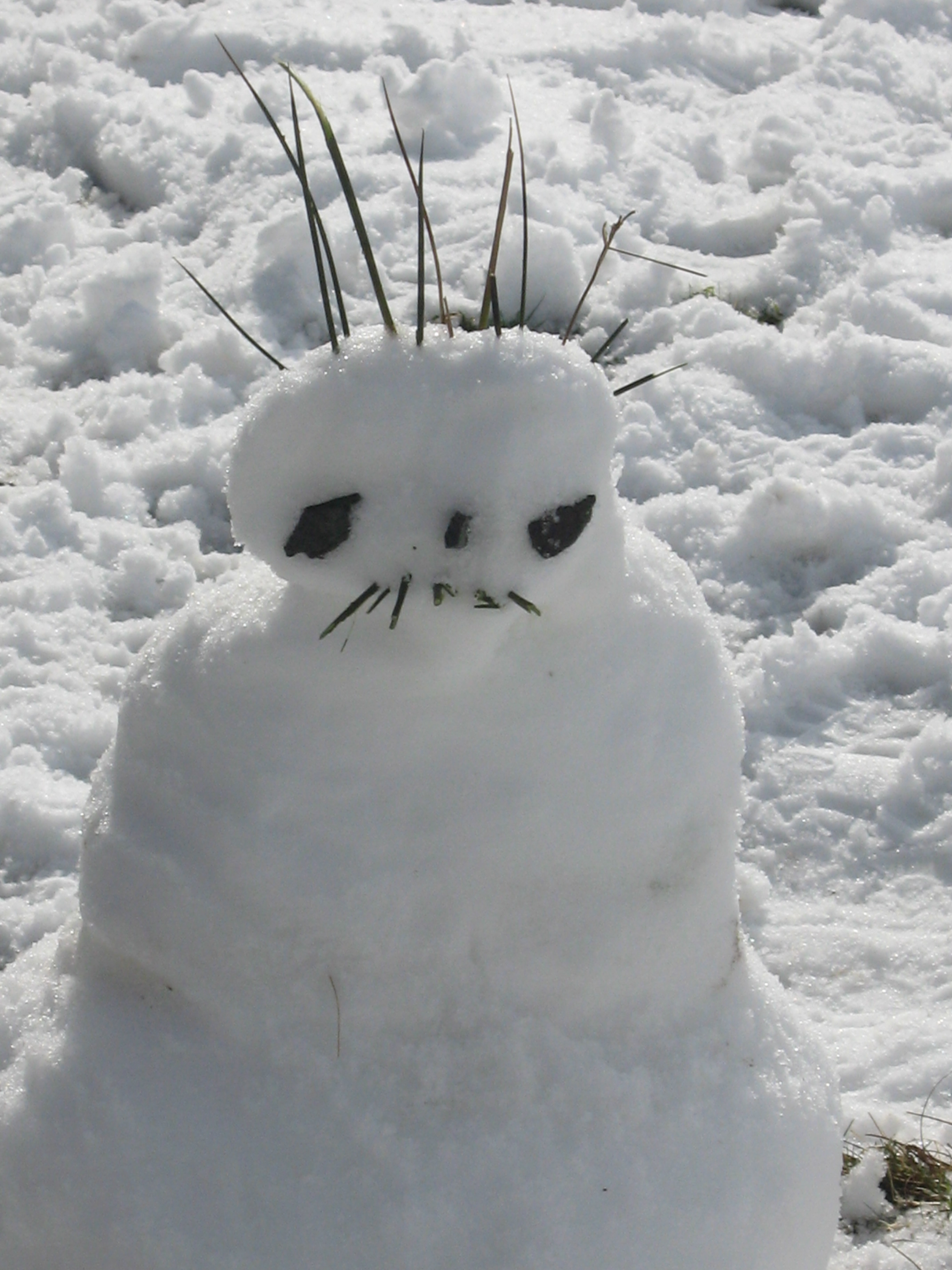
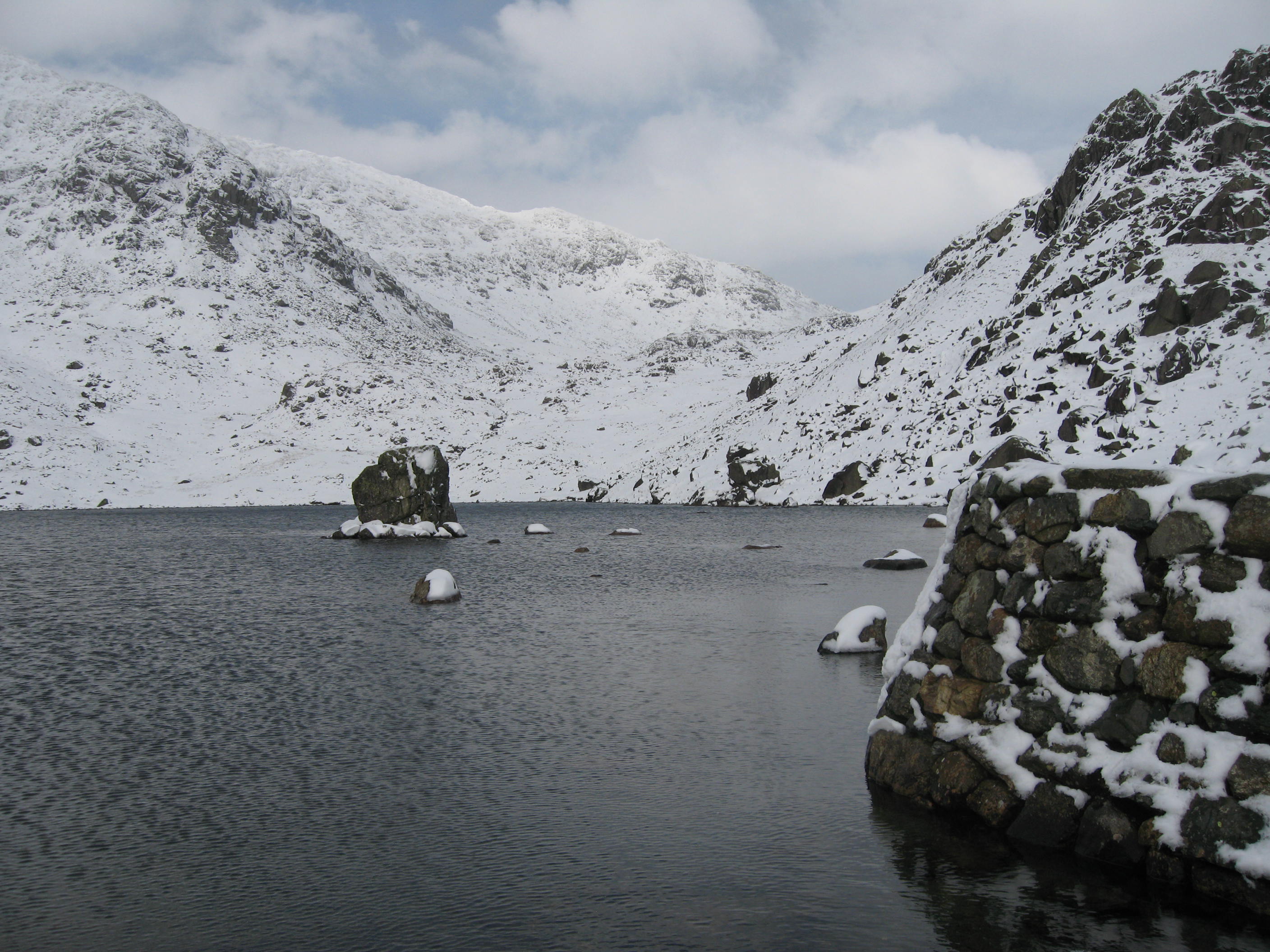
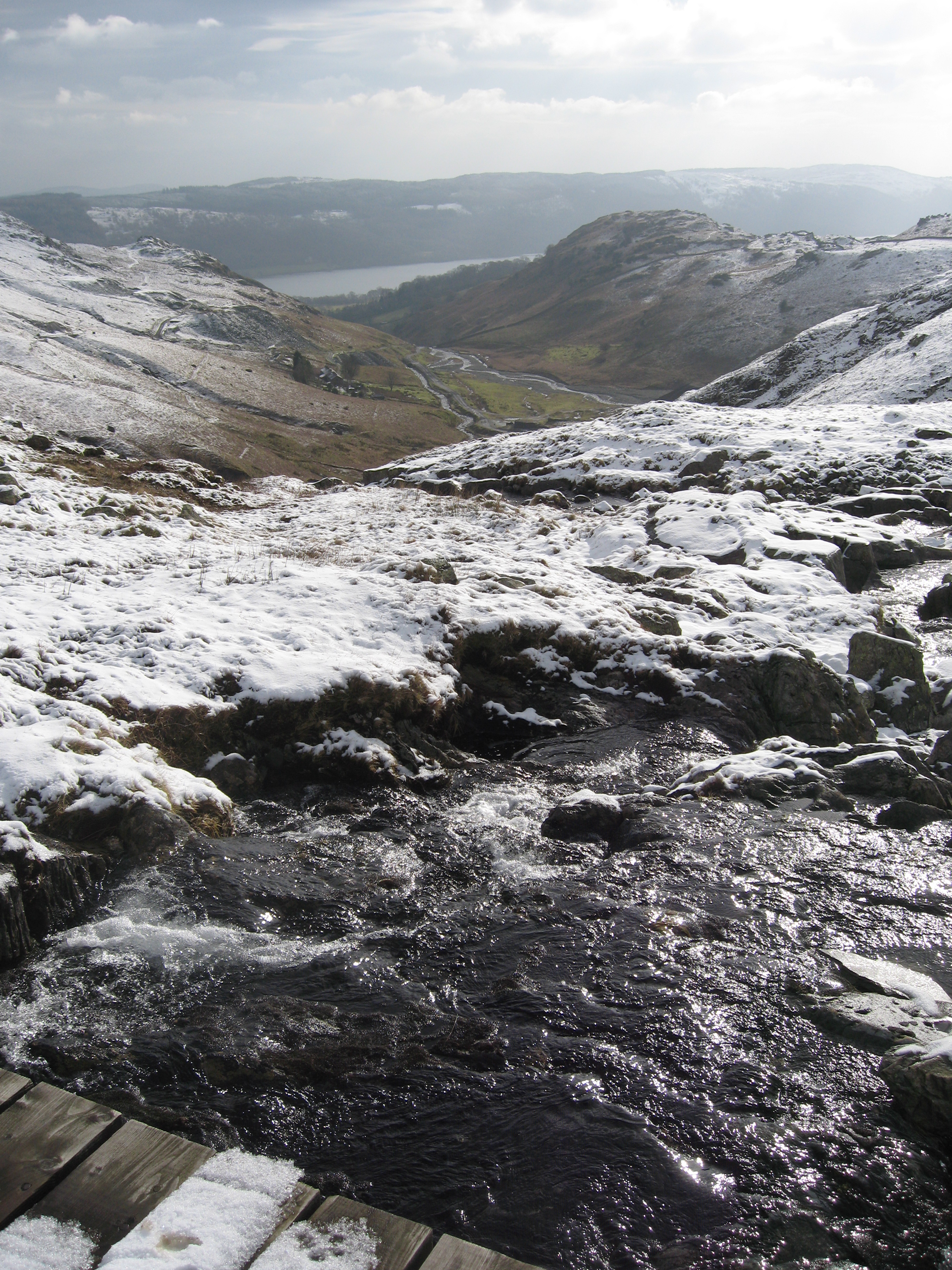
Miners BridgeIn February half term we took advantage of a bright, cold day to walk up Copper Mines Valley through the snow line to Levers Water behind Coniston.  As the valley has been worked for centuries, it’s an easy walk up well defined roads, including this beautiful Miners Bridge (left).  Past Irish Row and the Mine Captain’s House to the remains of the wheel house at Red Dell (right, slate tower on the right of the beck) Copper Mine Valley and Red Dellwhere we stopped for Kendal Mint cake and to make a scary snow man.  Red Dell SnowmanThen more of a sheep track through the snow up to Levers Water (right).Levers Water

Then back down again with a lovely view of Coniston Water at the end of the valley. Coniston from Copper MineWe stopped for chips at the very welcoming Sun Inn – barman provided free bread and butter when we mentioned chip butties!  The “One in the Waistcoat” had a pint of Bluebird (Coniston Brewing Co.) whilst I had half a Loweswater Gold (Cumbrian Legendary Ales).

The walk took 2 hours including stops with 3 children and a dog.  Remember to take a map!

This gallery contains 6 photos

The Ruskin Museum

1 Comment

Ruskin Museum

The Coniston Room

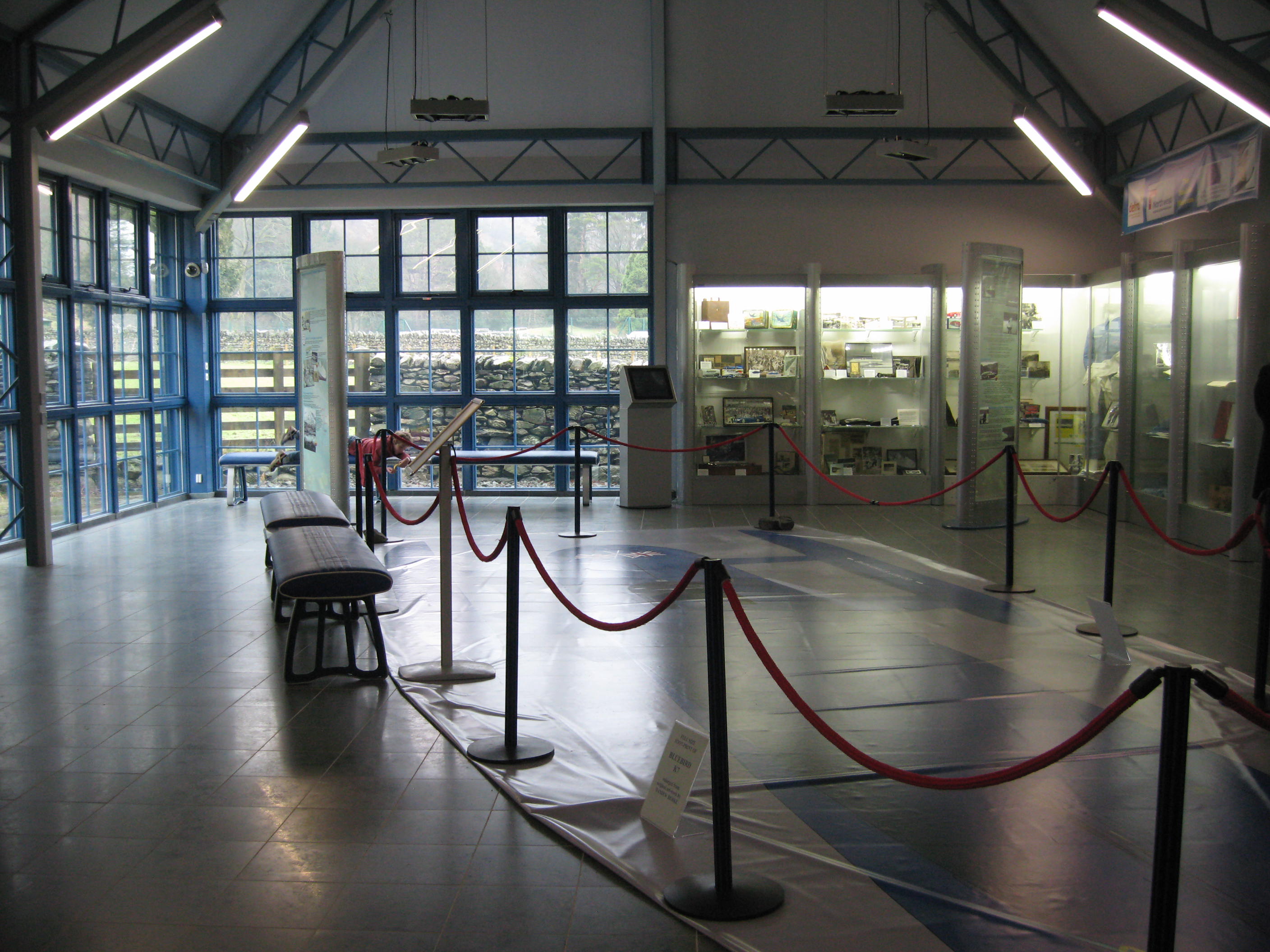
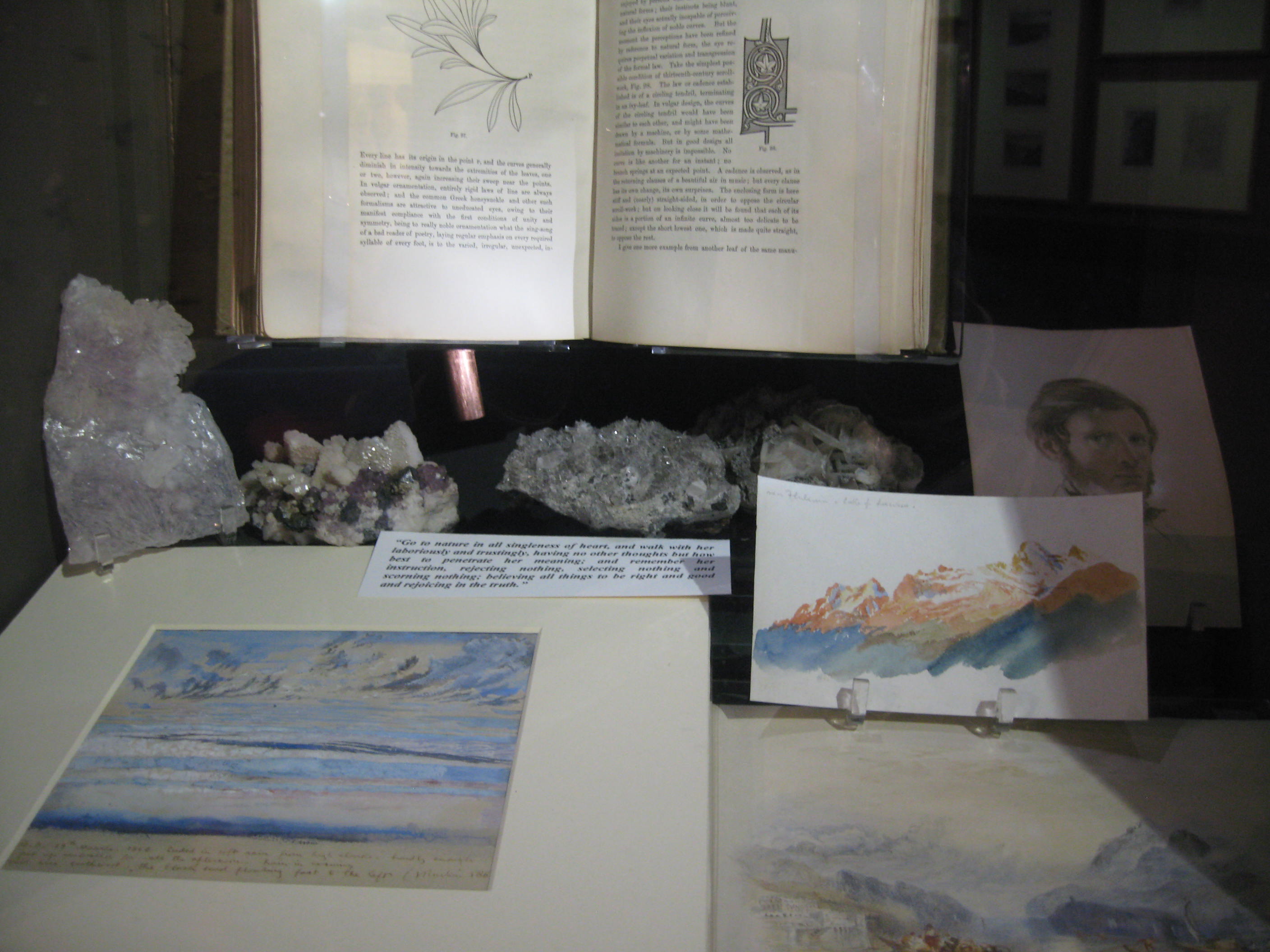
The Ruskin Museum, down a side street and hidden away, is a huge cabinet of curiosities.  I felt like some sort of Alice wandering around a Museum Wonderland, each area as intriguing as the next.  It’s delightful toy box of memorabilia, informative displays and original artwork.   After a relatively recent revamp, its collection is split into three rooms to help visitors navigate their way around such a disparate yet fascinating collection: The Coniston Room including the small sailboat “Mavis” the original “Swallow” from “Swallows & Amazons”; The new Bluebird Room with lots of details about the World Speed Record attempt; and the Ruskin Room, a lovely Victorian parlour crammed with watercolours and other memorabilia of Ruskin and Collingwood.

What I truly like about the museum is that there is such a variety of objects that, if you are with a family, then everyone will find something of interest – although, I must confess to getting overwhelmed at so much on display.  I’ll have to come on my own sometime.  The boys loved the “Mavis” and the miniature stone houses from the John Usher collection.  I was fascinated by the Neolithic finds and copper mining display whilst Bill spent time in the Bluebird Room, staring at grainy black and white photographs of the speed king, Donald Campbell.  We all loved Ruskin’s slightly rusting and used watercolour paint boxes and dog eared sketch books.

Bluebird Room

The Bluebird Room

Ruskin sketchbooks

The Ruskin Room

You need an hour at the very least to sample its delights.  The museum’s own (quirky) website is here to check on exact location in Coniston, prices and opening times.

If you want to read my post about a young boy’s encounter with Donald Campbell, click here.

This gallery contains 3 photos